The Evolving World of Voxel Games: From Destructive Shooter to Emotional Journeys in 2026
Voxels and voxel technology redefine gaming in 2026, powering immersive, destructible environments and captivating narrative experiences.
Voxels have quietly become the architectural foundation for some of gaming's most imaginative worlds. These digital building blocks, far from being simple aesthetic choices, have evolved into dynamic systems that power everything from fully destructible environments to deeply immersive narrative experiences. As we look at the landscape in 2026, voxel technology has matured beyond its blocky origins, enabling developers to create games that surprise, engage, and emotionally resonate with players in ways previously unimaginable. Isn't it remarkable how these seemingly basic elements can transform into such complex and compelling virtual spaces?
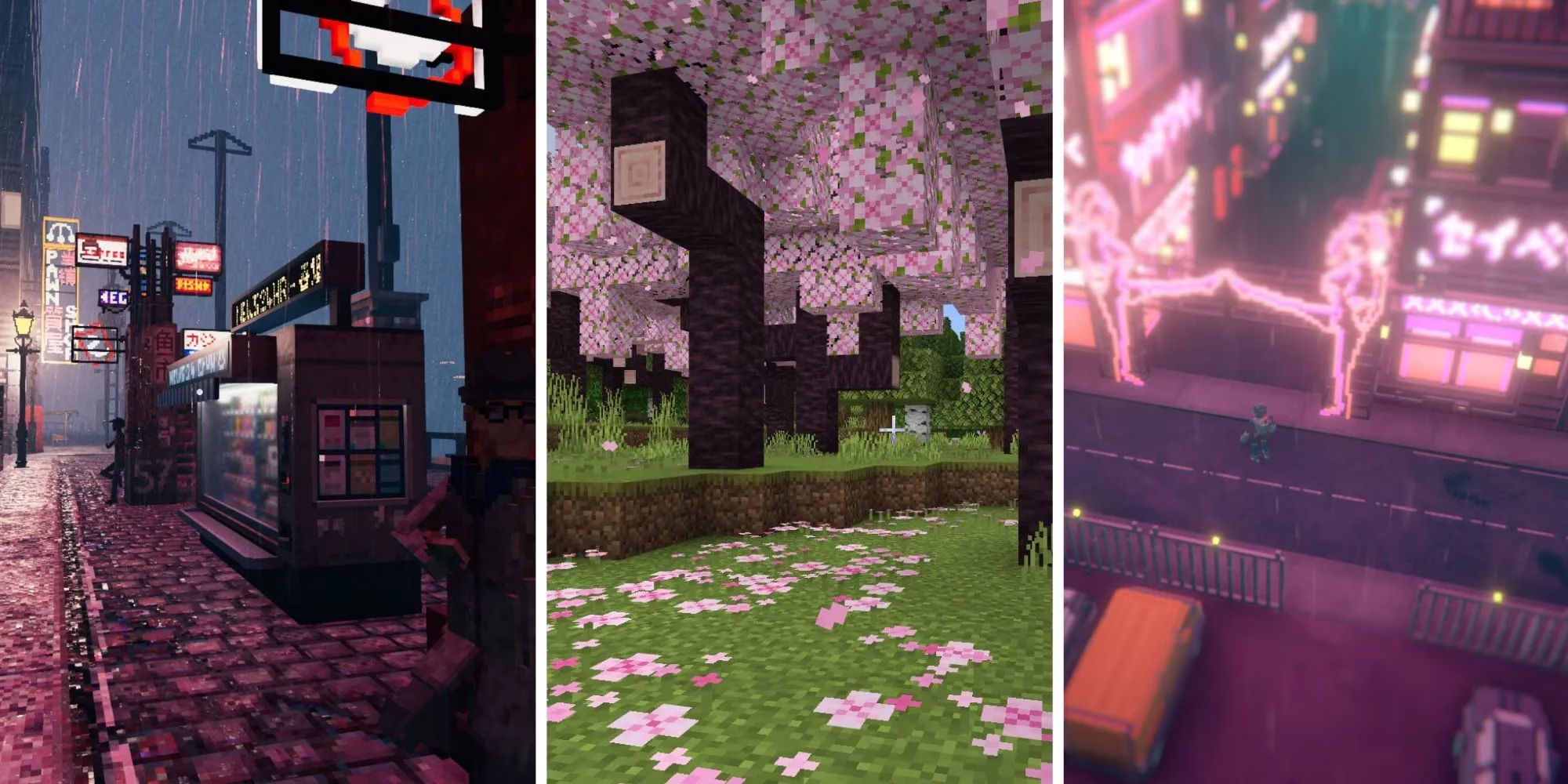
16 Selaco: The Voxel Shooter That Doesn't Look Like One
What happens when a game hides its voxel nature until the perfect moment? Selaco provides the thrilling answer. At first glance, this gritty shooter appears like any other immersive action title, but the revelation comes the moment players fire their first shot—everything in the environment is destructible voxels. This isn't just a visual trick; it fundamentally changes how players approach combat and navigation. The realization that every wall can be chipped away, every structure can be reshaped, adds a tactical depth rarely seen in the genre. The game masterfully blends nostalgic shooter mechanics with cutting-edge environmental interaction, creating an experience that feels both familiar and revolutionary.
15 Station to Station: A Living Diorama
Imagine a puzzle game where you don't destroy the world but connect it instead. Station to Station captures this serene experience perfectly, presenting players with stunning voxel dioramas that evolve with each solved railway puzzle. The game's beauty lies in its restraint—there's no combat, no time pressure, just the satisfaction of watching a world come to life through careful planning. What makes this approach so effective in 2026? Perhaps it's the way the game demonstrates that voxels can create peaceful, contemplative spaces just as effectively as chaotic battlefields. The evolving difficulty through clever mechanics ensures players remain engaged without ever feeling overwhelmed.
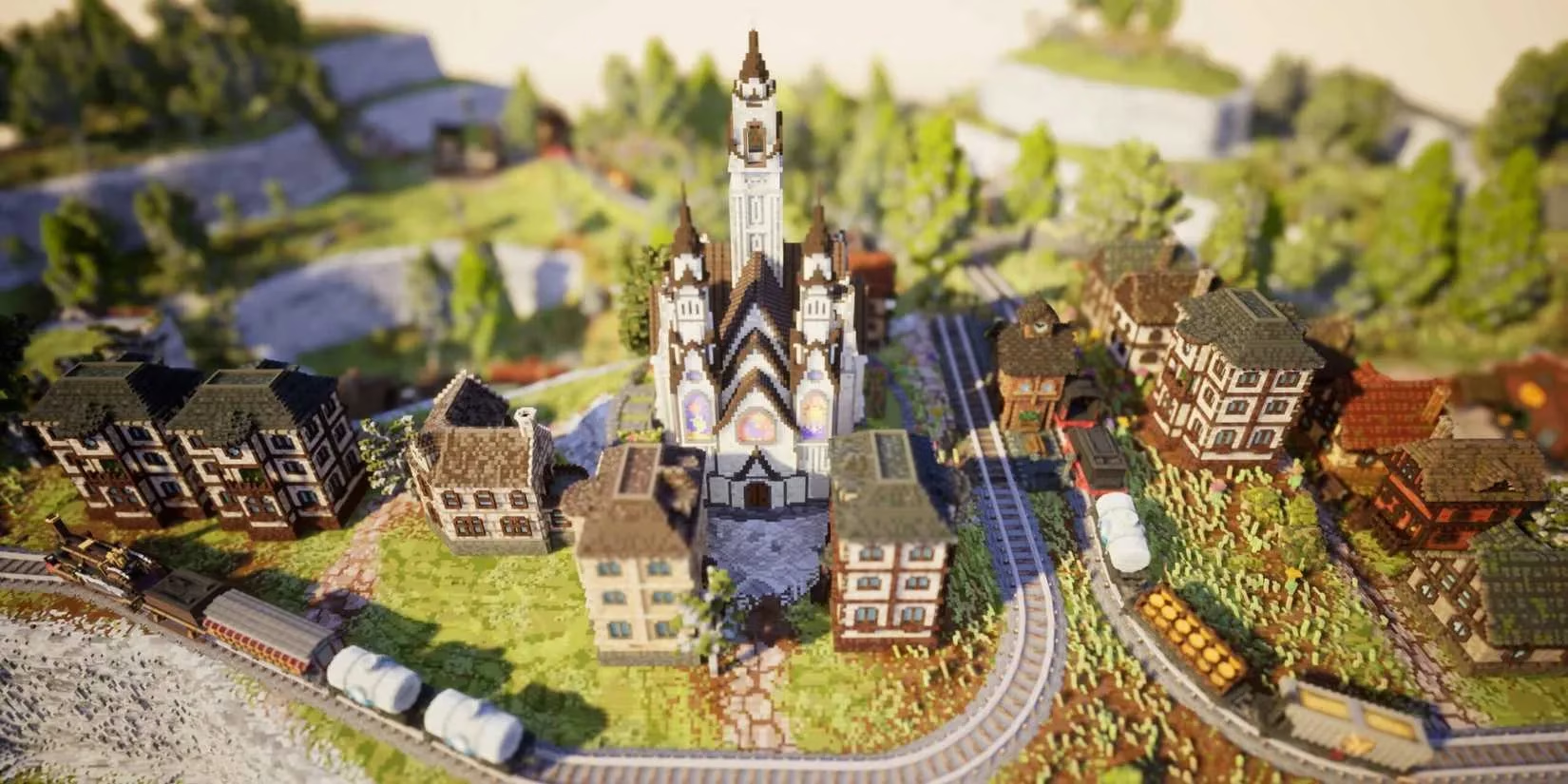
14 ARKOS 2: When Retro Meets Modern Voxels
How do you blend nostalgic game design with contemporary voxel technology? ARKOS 2 provides a masterclass in this delicate balance. The game feels like a collision between classic shooters like Hexen and modern building games, yet emerges as something entirely unique. The environments strike a perfect balance between vibrant color and moody atmosphere, with interactive elements that make players feel integral to the world rather than just passing through it. Every secret discovered, every destructible element explored, pulls players deeper into its carefully crafted universe. The combat remains satisfyingly punchy while the level design consistently rewards thorough exploration.
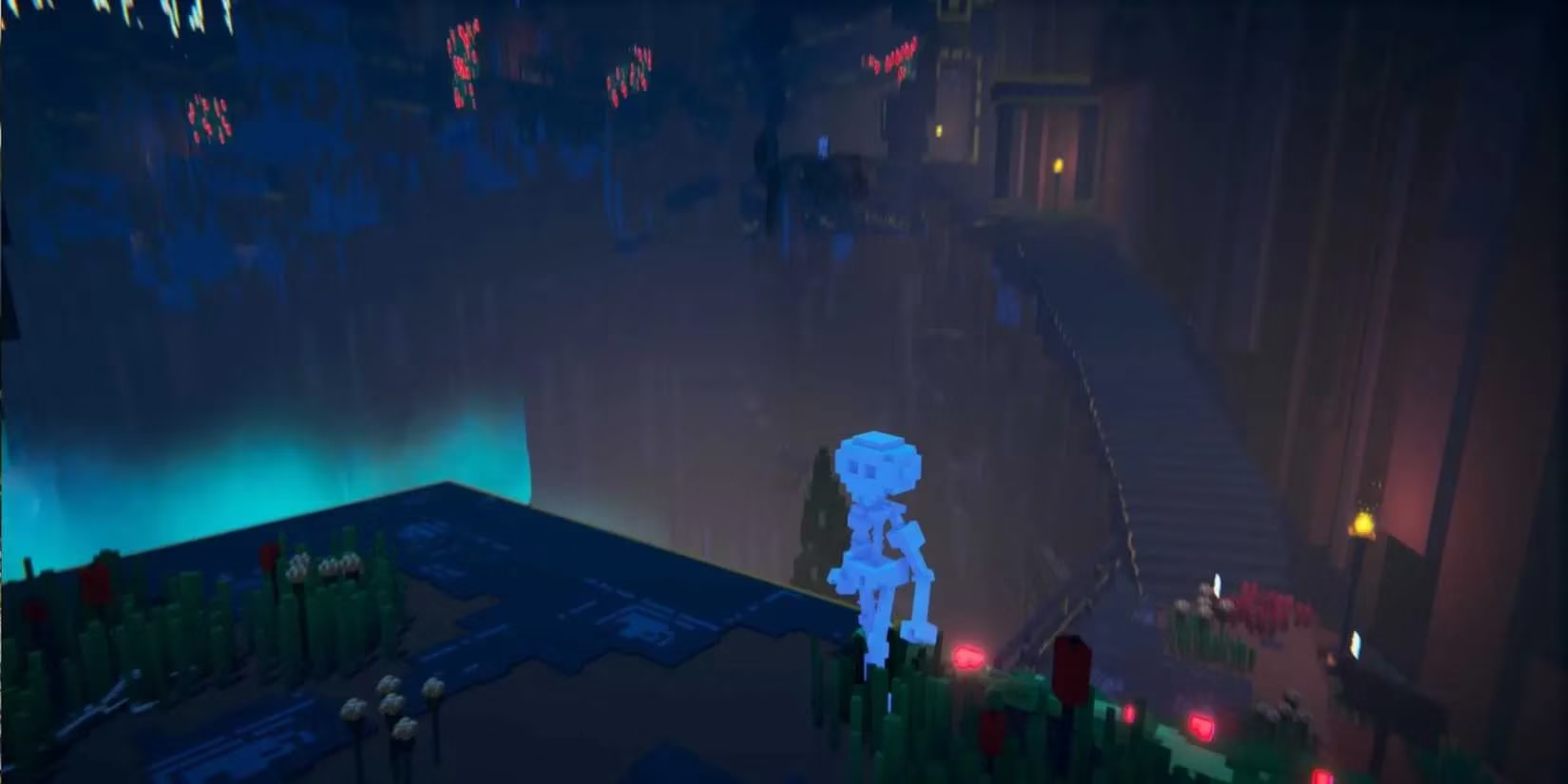
13 De-Exit: Voxels with Emotional Depth
Can a game about death feel more alive than many games about living? De-Exit challenges this very question by placing players in a hauntingly beautiful voxel afterlife. This isn't just another puzzle game; it's an introspective journey that asks players to contemplate larger themes while navigating its minimalist world. The skeleton protagonist stands as one of gaming's most charming entities in recent memory, bringing personality to what could have been a bleak setting. Unlike earlier voxel games that sometimes felt static, De-Exit's world feels constantly in motion, with emotional resonance permeating every interaction. It demonstrates how voxel technology can serve powerful storytelling when paired with thoughtful design.
12 Frogmonster: Quirky Creativity Unleashed
Who would have predicted that a gun-wielding frog in a swampy voxel world would become one of the most memorable gaming experiences of recent years? Frogmonster proves that sometimes the most absurd concepts yield the most delightful results. The environmental design draws players into its moss-hued chaos, with charming details—like the frog's tongue flicking when opening chests—that make the world feel genuinely alive. While not burdened by complex narratives, the game excels through pure gameplay innovation, allowing players to smash terrain, catch bugs for crafting, and navigate surprisingly intricate levels. Each boss encounter presents fresh challenges, showcasing the creative potential of voxel-based game design.
11 Echo Point Nova: The Joy of Movement
What happens when you combine grappling hooks, hoverboards, and destructible voxel environments? Echo Point Nova provides the exhilarating answer. This game redefines player movement, making every second of traversal an absolute thrill. The voxel-fuelled nature of the environments becomes apparent not through obvious visual cues, but through the tactile feedback of attacks crashing into walls and structures. Once players acclimate to the dizzying speed—much like adjusting to rhythm games like Thumper—they discover one of the most satisfying movement systems in modern gaming. The seemingly endless map provides the perfect playground for experimentation, proving that freedom of movement can be just as engaging as traditional gameplay mechanics.
10 Portal Knights: Structured Freedom in Voxel Form
How do you provide structure without limiting creativity? Portal Knights strikes this delicate balance by combining the freedom of voxel building with the guidance of RPG progression. The charming character creator establishes personality from the outset, while the choice between warrior, ranger, and mage classes gives each playthrough distinct flavor. Beyond every portal lies a new voxel world, each vibrant and begging for exploration. The game successfully captures what makes building games appealing while adding satisfying combat and crafting systems. It feels familiar yet fresh, demonstrating how established formulas can evolve through thoughtful implementation of voxel technology.
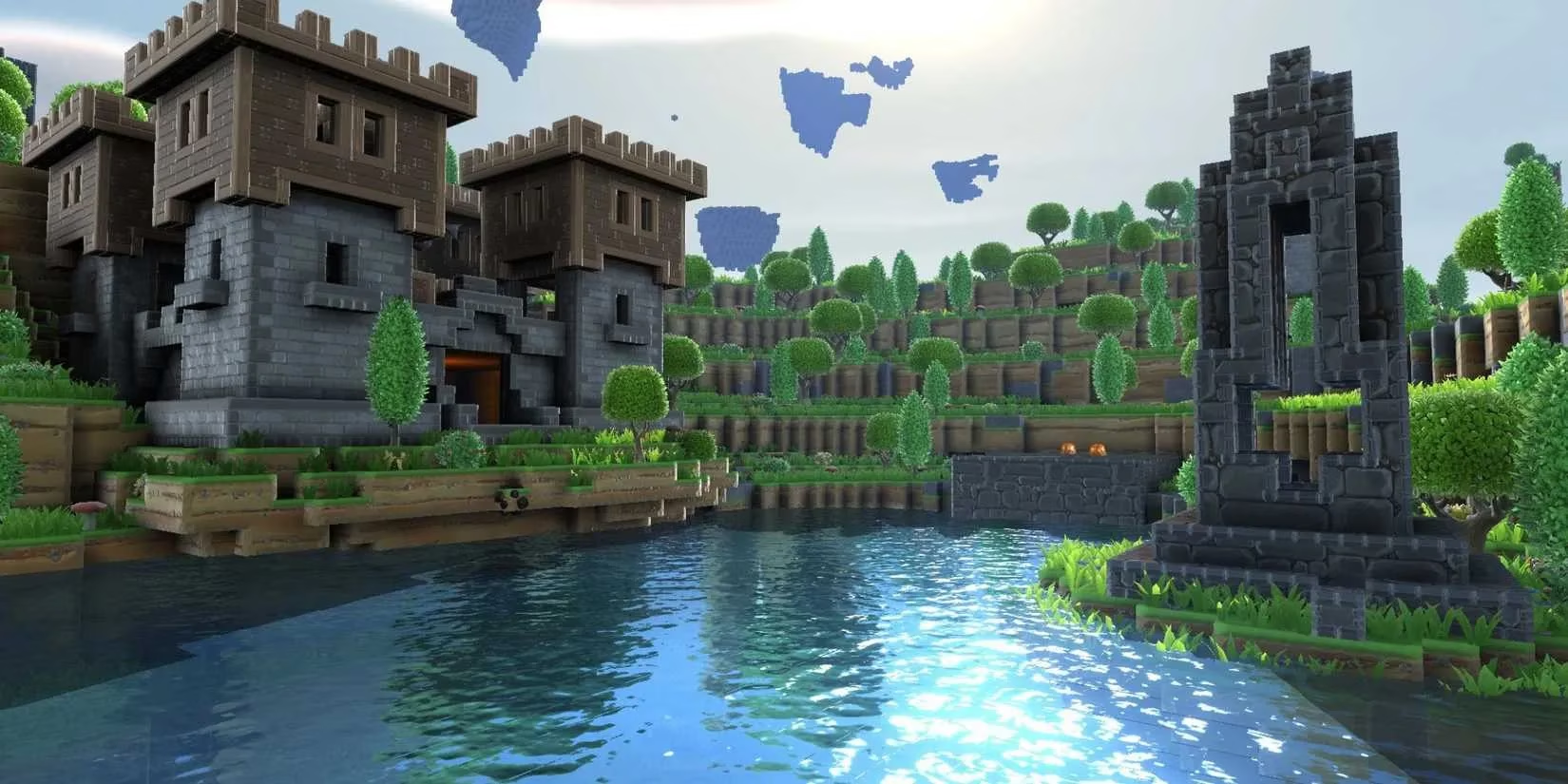
9 Staxel: First-Person Farming Immersion
Can a farming game benefit from a first-person voxel perspective? Staxel proves this combination creates one of the coziest gaming experiences available. This title takes the beloved Stardew Valley formula and makes it even more immersive through its voxel-based presentation. The world feels expansive and alive, packed with details that reward careful observation. While farming remains central, the game expands its scope to include village interactions, crafting, renovation, and simple environmental appreciation. The lack of time pressure invites players to experiment and enjoy the process, while the first-person perspective creates a personal connection to the virtual space. An active modding community ensures the experience remains fresh long after initial discovery.
8 Shadows of Doubt: Noir Mystery in Voxel Form
What happens when you combine detective noir with destructible voxel environments? Shadows of Doubt creates something truly special—a procedural mystery game where every case feels unique and every environment feels alive. The noir-inspired city brims with secrets, with NPCs and destructible elements contributing to unprecedented immersion. The game's genius lies in its approach to problem-solving: players can sneak, hack, or interrogate their way through cases, with the environment itself often holding crucial clues. The rich lore and massive playable area would be impressive enough, but the procedural generation ensures no two playthroughs are identical. This represents a significant evolution in how voxel technology can support complex, replayable narratives.
7 Soul Tolerance: Cyberpunk Allegory Through Voxels
Can voxels convey complex themes about AI and humanity? Soul Tolerance demonstrates this potential with its haunting neon-drenched cyberpunk world. The game creates atmosphere that lingers—a difficult achievement for any medium, let alone a voxel-based game. The tactical RPG mechanics provide satisfying depth, but what truly stands out is the thoughtful narrative exploring artificial intelligence, human consciousness, and the modern condition of feeling disconnected while surrounded by technology. The procedural generation keeps the experience fresh, while the visual design pushes voxel aesthetics in bold new directions. It proves that voxel games can tackle serious themes while remaining deeply engaging gameplay experiences.
| Game | Primary Genre | Key Voxel Feature | Emotional Tone |
|---|---|---|---|
| Selaco | Action Shooter | Environmental Destruction | Intense, Gritty |
| Station to Station | Puzzle | World Building/Connection | Peaceful, Contemplative |
| ARKOS 2 | Action Adventure | Interactive Environments | Vibrant yet Moody |
| De-Exit | Puzzle/Narrative | Minimalist World Design | Emotional, Reflective |
| Frogmonster | Action Adventure | Terrain Manipulation | Quirky, Fun |
| Echo Point Nova | Movement/Exploration | Destructible Traversal | Exhilarating, Free |
| Portal Knights | RPG/Adventure | Portal-Based Exploration | Charming, Adventurous |
| Staxel | Life Simulation | First-Person Farming | Cozy, Immersive |
| Shadows of Doubt | Detective/Noir | Procedural City Generation | Dark, Mysterious |
| Soul Tolerance | Tactical RPG | Neon Cyberpunk World | Haunting, Thoughtful |
As we examine these diverse titles in 2026, several trends become clear:
🔹 Voxels as Narrative Tools: Games like De-Exit and Soul Tolerance demonstrate that voxel technology can support serious storytelling and emotional depth.
🔹 Environmental Interaction Evolution: From Selaco's destructive combat to Station to Station's constructive puzzles, voxels enable new forms of player-environment interaction.
🔹 Genre Blending Success: Titles like Frogmonster and Shadows of Doubt prove that voxel technology can enhance rather than limit genre experimentation.
🔹 Procedural Advancement: The sophisticated generation in Shadows of Doubt shows how far voxel-based procedural content has come.
What does the future hold for voxel gaming? If current trends continue, we can expect even greater integration of these systems with emerging technologies like AI-driven content generation and more sophisticated physics simulations. The real question isn't whether voxel games will continue to evolve, but how they will continue to surprise us with their versatility and emotional resonance. After all, if simple blocks can already create experiences this diverse and compelling, what might developers achieve as the technology continues to mature?