Open-World Games I Love That Have No True Cities
Open-world games with no major cities fuel survival and exploration through windswept shores, infected highways, and blocky wilderness.
I have always been fascinated by open-world games that let me disappear into rugged landscapes, quiet ruins, and tiny survivor camps instead of pushing me through another sprawling urban hub. Some adventures gain their power from emptiness, silence, and the sense that civilization has not yet arrived or has already collapsed. In 2026, these open-world experiences still captivate me because they replace crowded market squares with windswept shores, infected highways, alien horizons, and blocky wilderness. There is no single city to anchor the map, but that is exactly why each journey feels personal.
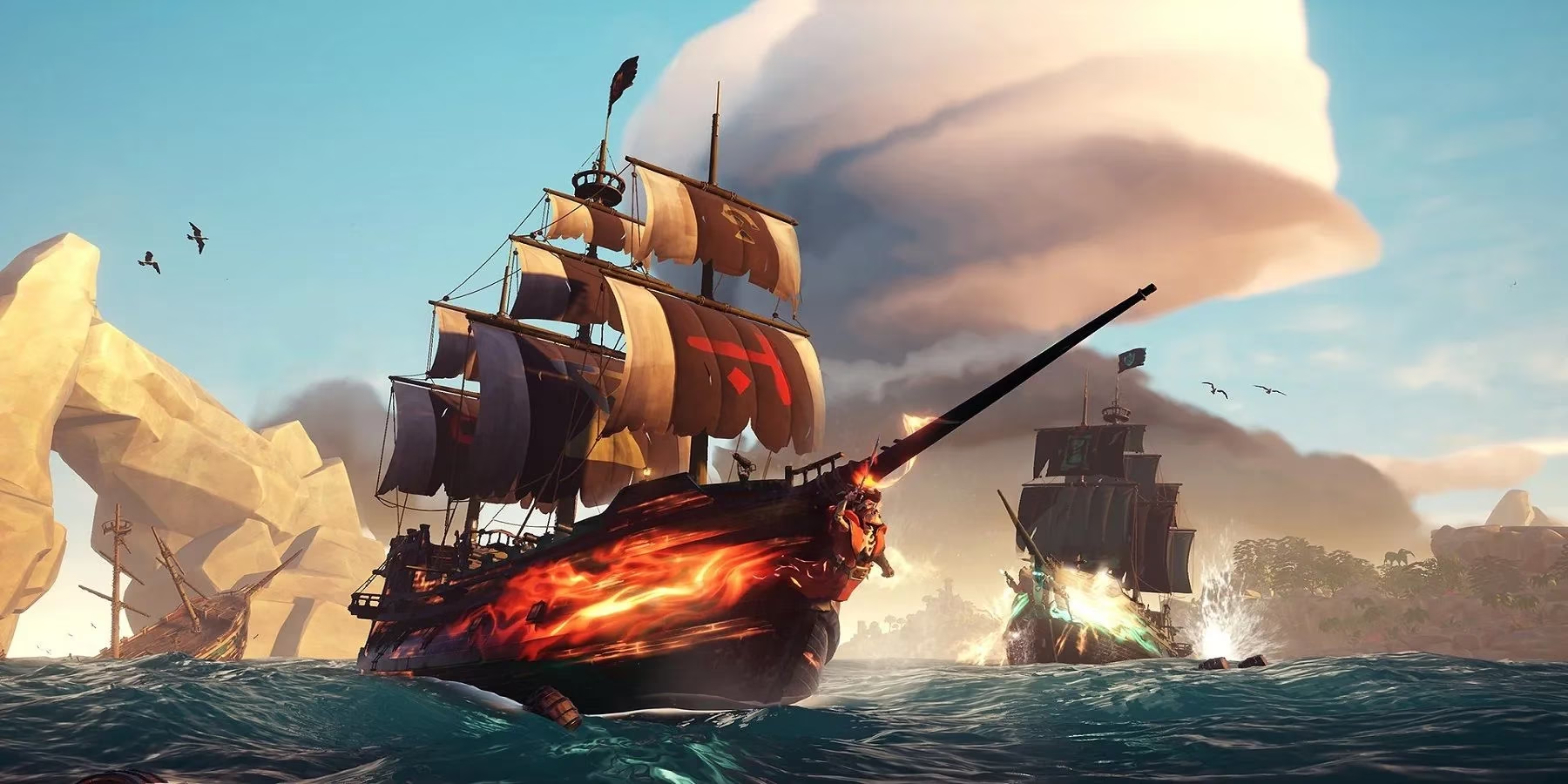
Sea of Thieves ⚓ remains one of my favorite examples. When it first released in 2018 for Xbox One, plenty of players dismissed the world as empty. Over time, Rare kept improving the experience until sailing with a crew felt full of chaotic possibilities. PvP ship battles, skeleton forts, buried treasure, and emergent player encounters make every voyage memorable. What I never find, however, is a large port city. The map is dotted with small outposts where I sell stolen chests, restock supplies, and catch my breath. These outposts are lively enough for trade and danger, but they never turn into true urban centers. That design choice keeps the focus on the ocean, the wind, and the next island on the horizon.
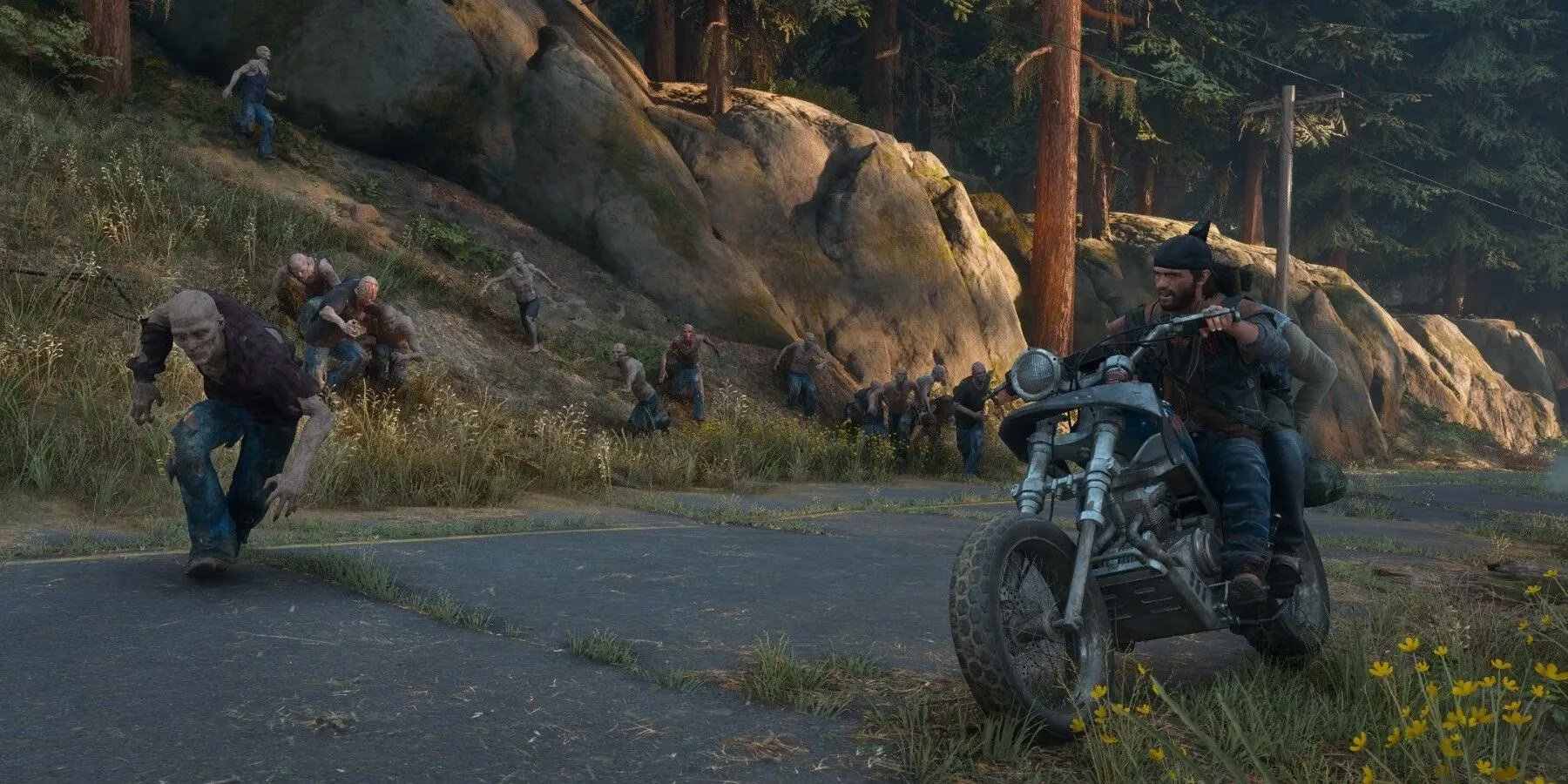
Days Gone 🧟 starts with a medium-sized city called Farewell, but the joy and security of that place vanish quickly during the sudden zombie outbreak. The city is destroyed early in the campaign, and after that I never find another functioning metropolis. Instead, I ride my motorcycle across a wide region filled with overrun small towns, abandoned checkpoints, and survivor settlements that feel fragile and temporary. The absence of large cities makes the world feel far more dangerous. Every gas station, cabin, and mountain tunnel becomes a potential ambush. I love that tension because it reinforces the survival fantasy: humanity is clinging to scattered pockets, not rebuilding grand capitals.
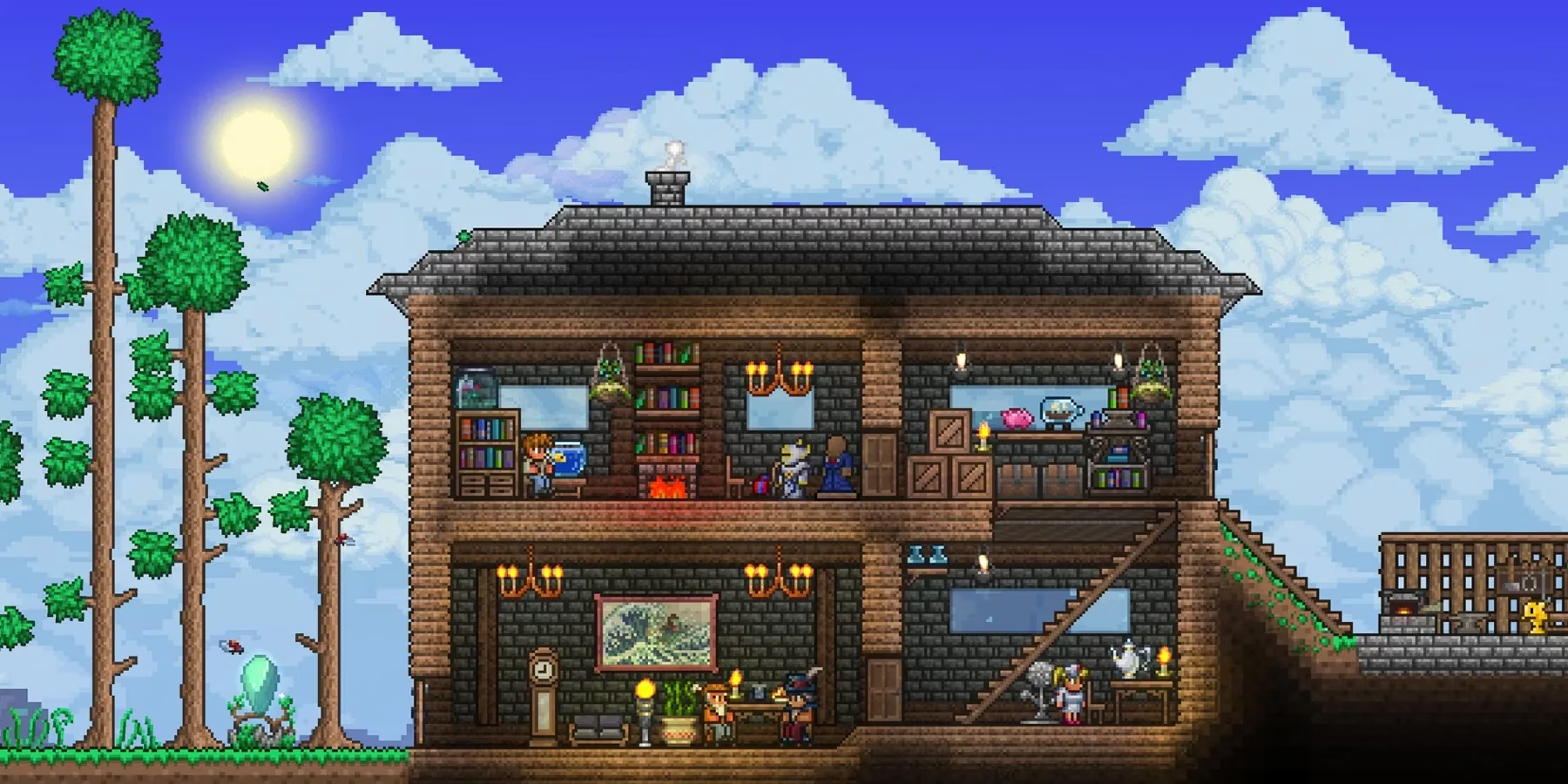
Terraria ⛏️ is an unusual gem on this list, partly because some players do not immediately think of a side-scroller as an open-world game. It absolutely is one, though. I can freely travel left, right, and deep underground, excavating ores, battling bosses, and discovering hidden shrines. What I never encounter is a pre-built city. Instead, the game asks me to create my own town. I construct rooms, attract vendors, and build a safe place for NPCs. Many players, myself included, eventually stack everyone into a large hotel-like fortress rather than spreading out into a realistic city. The result still feels bustling because the characters and crafting systems bring the settlement to life.
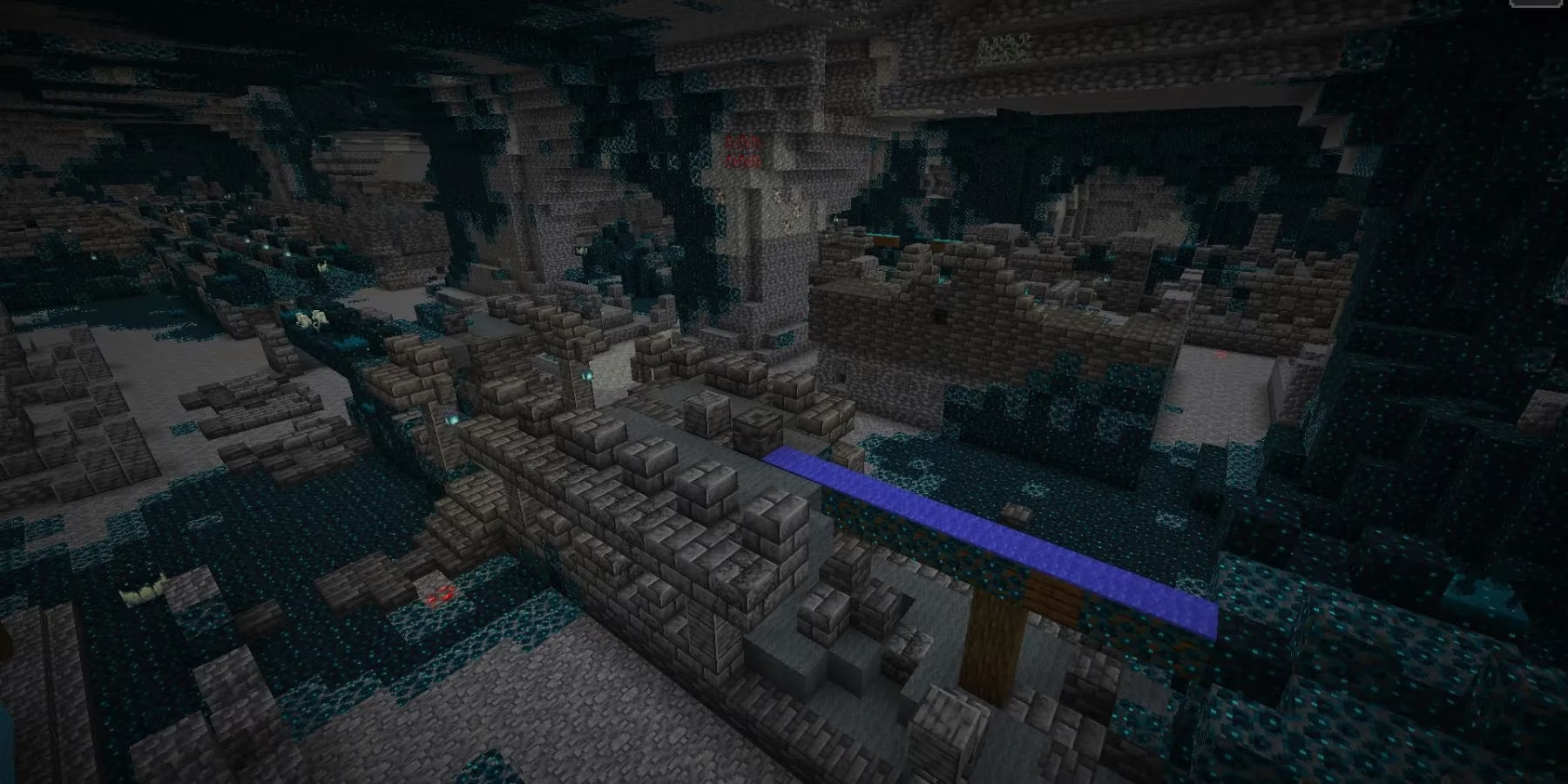
Minecraft 🧱 is often called one of the greatest open-world sandbox games ever made, and it also has no traditional city. While I can stumble across villages and temples, the real urban environment comes from my own imagination. I gather resources, lay foundations, and build roads, walls, farms, and entire districts in Survival or Creative Mode. Some players point to the Ancient City biome introduced in recent updates, but that is not a bustling city. It is a rare, dangerous underground structure that only appears once per randomized seed, and it feels more like a buried ruin than a living settlement. For me, Minecraft remains a game where the city exists because I decide to make one.
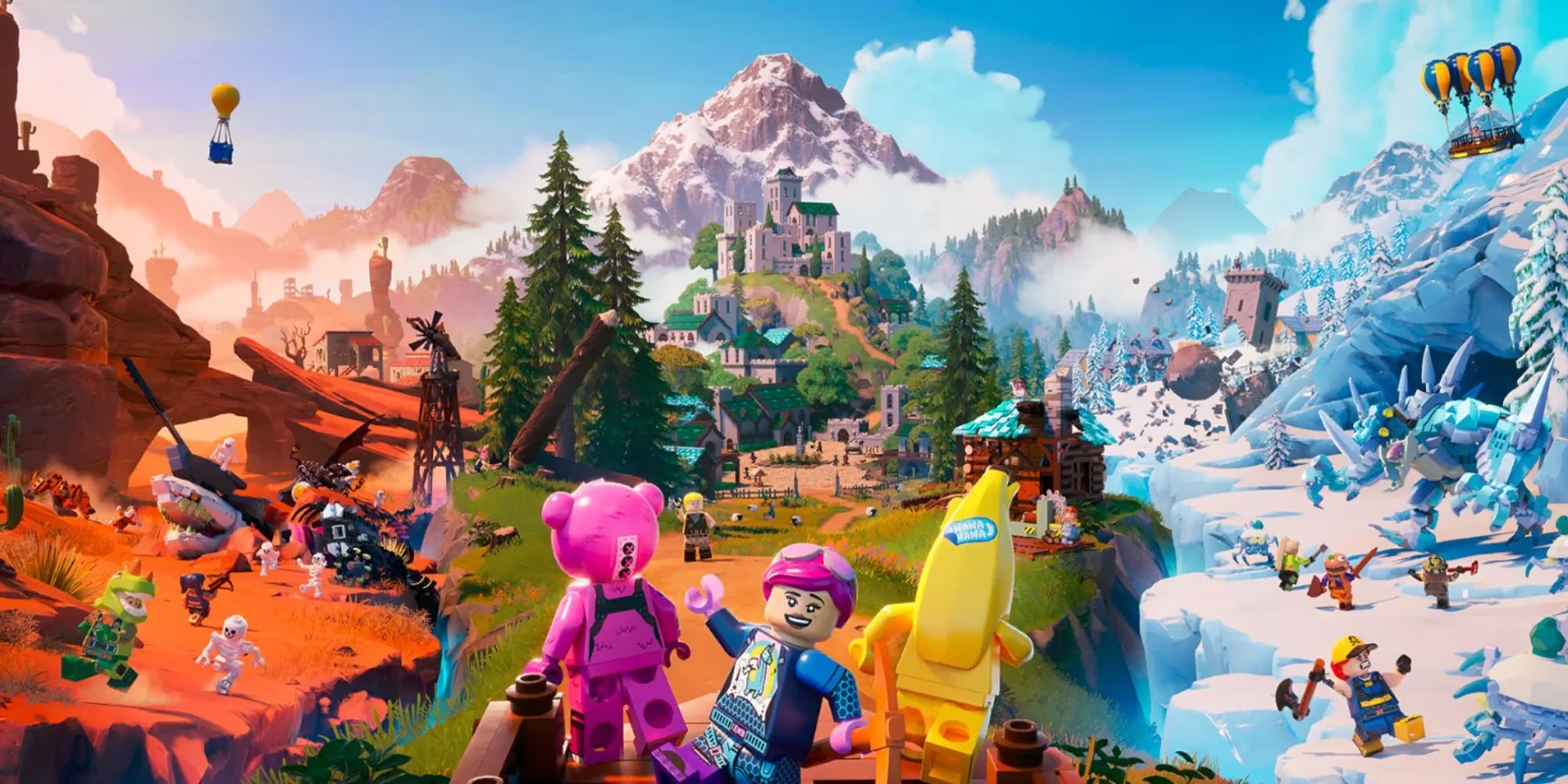
LEGO Fortnite 🧱🎮 is one of the freshest surprises among modern open-world survival crafts. It takes the familiar Fortnite universe and turns it into a blocky, resource-driven adventure rather than a battle royale. I spend my time chopping wood, mining stone, cooking food, and gradually upgrading a small village. At night, I defend it from creatures that creep out of the dark. While exploring the map, I find scattered landmarks, caves, and enemy camps, but no large city. The loop of expanding my tiny settlement is satisfying because every building I place feels earned. It gives me the same creative buzz as Minecraft but with a more structured mission-driven flow.
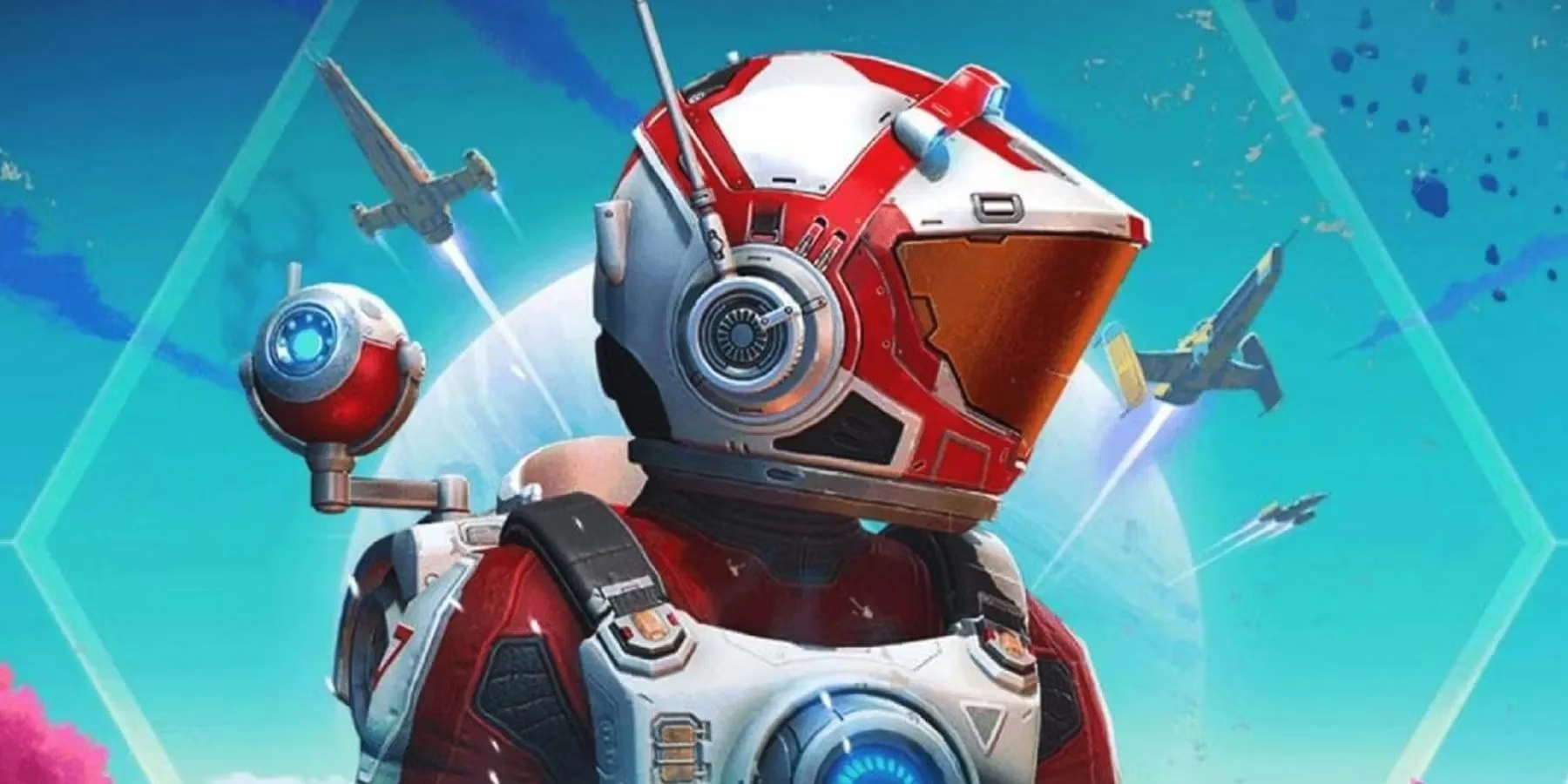
No Man's Sky 🚀 is perhaps the ultimate no-city open-world game because it spans an almost infinite number of planets. There are huge space stations and alien facilities, but I never find a true metropolis on any planet. I can follow the story or simply wander, scanning strange creatures, mining rare elements, and building a settlement on a planet that feels completely my own. The game had a rough start, but years of updates have added base building, vehicles, settlements, and richer planetary variety. In 2026, it stands as one of the best examples of how an open world can feel alive without a traditional city skyline. The loneliness of deep space and the freedom to settle anywhere make it endlessly replayable.
Below is a quick comparison of why each world avoids traditional urban centers:
| Game | Primary setting | What replaces a city |
|---|---|---|
| Sea of Thieves | Sailing ocean | Coastal outposts and trading posts |
| Days Gone | Post-outbreak wilderness | Fragile survivor camps and overrun towns |
| Terraria | 2D side-scrolling sandbox | Player-built town or NPC hotel |
| Minecraft | Blocky sandbox survival | Villages, temples, and player-made cities |
| LEGO Fortnite | Blocky survival crafting | Upgradable player village |
| No Man's Sky | Infinite sci-fi planets | Space stations and personal settlements |
These games prove that an open world does not need a dense, lively city to be compelling. In fact, the lack of urban centers often deepens the sense of adventure, danger, and ownership. I can be a pirate returning to a lonely outpost, a drifter riding through infected country, or a builder creating the only safe town for miles. That is why I keep coming back to these worlds even in 2026. They let me shape my own landmarks instead of simply visiting someone else's idea of a city.