Minecraft Legends Co-Op: Ten Practical Tips for a Smoother Campaign
Minecraft Legends co-op campaign shines with friends, blending base building, resource runs, and chaotic piglin fights—if your squad communicates.
Minecraft Legends is one of those action-strategy games that becomes a different beast when friends join. As of 2026, its co-op campaign remains a strong pick for groups that enjoy base building, resource runs, and chaotic piglin fights. The story does not change when up to three allies join the host, but the teamwork does. A regular player who expects a relaxed multiplayer stroll may quickly learn that shared resources, split attention, and unspoken plans are the real enemies—right alongside the piglins. The campaign is more fun with friends, yet it asks the group to communicate like a small squad rather than four solo heroes.

Quick Team Checklist
| Priority | Team Habit | Why It Matters |
|---|---|---|
| 1 | Agree on difficulty | The setting does not scale with player count, so comfort matters more than bravado. |
| 2 | Use drop-in and drop-out | Sessions can stay open, which makes short breaks and real-life interruptions easier. |
| 3 | Stay near the group | A lone hero can trigger a rescue mission that derails everyone else. |
| 4 | Free homesteads early | More mob types mean more unit options for later battles. |
| 5 | Slow down | Upgrades and stockpiles prevent messy deaths and long backtracking. |
| 6 | Plan each battle | A simple plan for walls, portals, and ranged support beats a chaotic charge. |
| 7 | Use every allay | In co-op, each player has their own allays, so resource farming can be shared. |
| 8 | Divide tasks | Everyone should have a job, whether it is scouting, building, or gathering. |
| 9 | Share resources fairly | Co-op pools resources, and extra players do not create extra materials. |
| 10 | Attack and defend together | A split team is easy prey for piglins and horde outposts. |
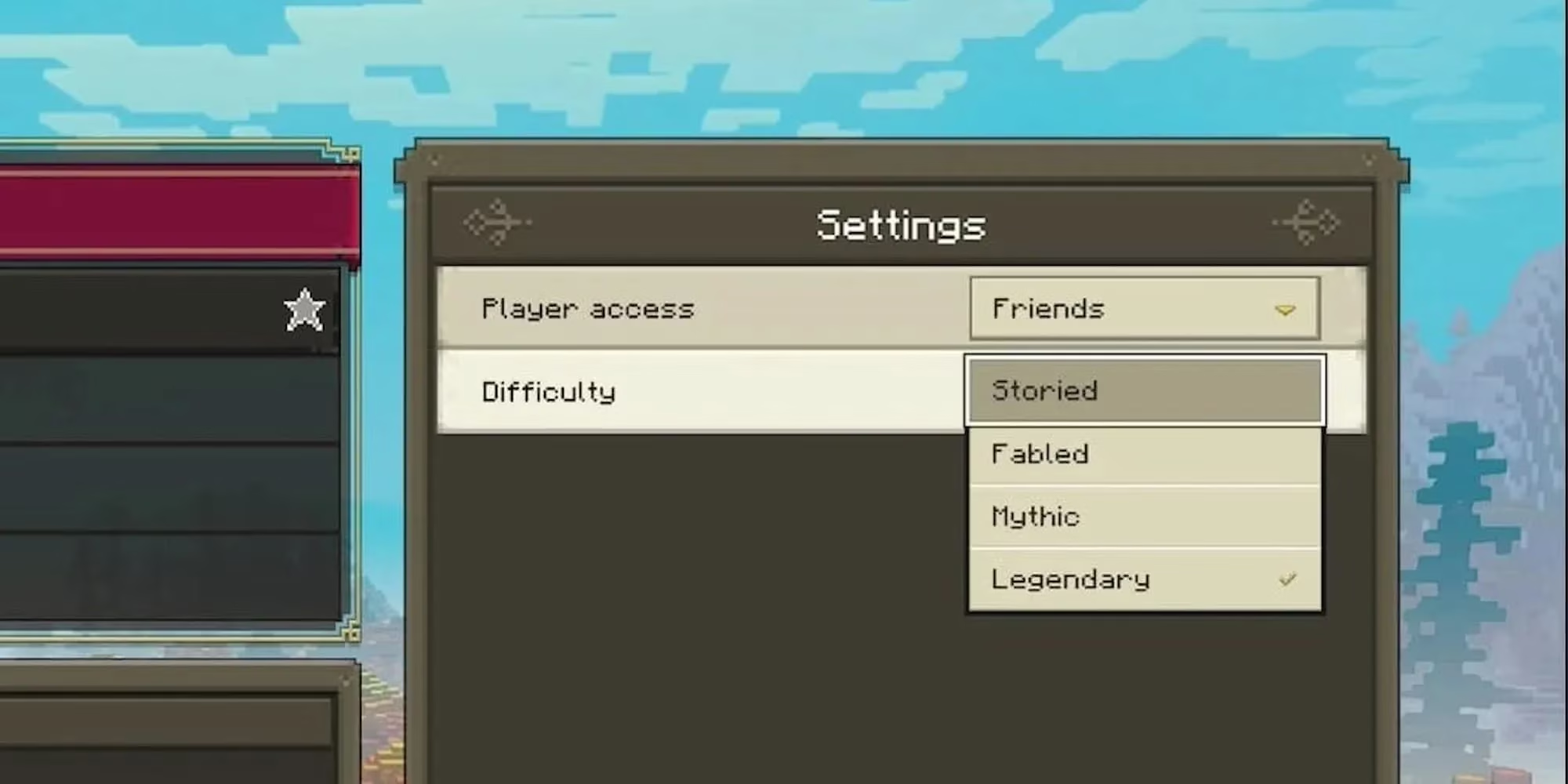
1. Choose a Difficulty Everyone Can Live With 🎚️
Difficulty in Minecraft Legends does not scale with the number of players. A tough setting is just as tough for a solo host as it is for a full party, and four players do not automatically make every fight easy. The group should agree on a difficulty level before the campaign begins. A novice player who wants a casual run should not be dragged into a punishing mode just because one friend likes a challenge. The best choice is the one that keeps the whole team engaged, not the one that sounds impressive.
2. Treat Co-Op as Drop-In and Drop-Out 🚪
The host controls the co-op session, and that session can stay open when someone needs a break. Players can dive in and out without forcing the group to restart. That flexibility is a gift. Nobody needs to finish the campaign in one marathon sitting. A short break can refresh the team, and a return visit may bring new ideas for a section that was causing trouble. A relaxed schedule often produces better decisions than a tired late-night push.
3. Do Not Wander Too Far 🧭
It is fine for players to handle small tasks near the group. It is not fine for one hero to cross the map alone and start an outpost fight without warning. Piglin attacks can happen at awkward times, and a distant player may need the entire team to drop what they are doing and rush to help. Resource gathering, defensive building, and secret hunting work best when the squad stays within reach of one another.
4. Free the Homesteads Early 🏡
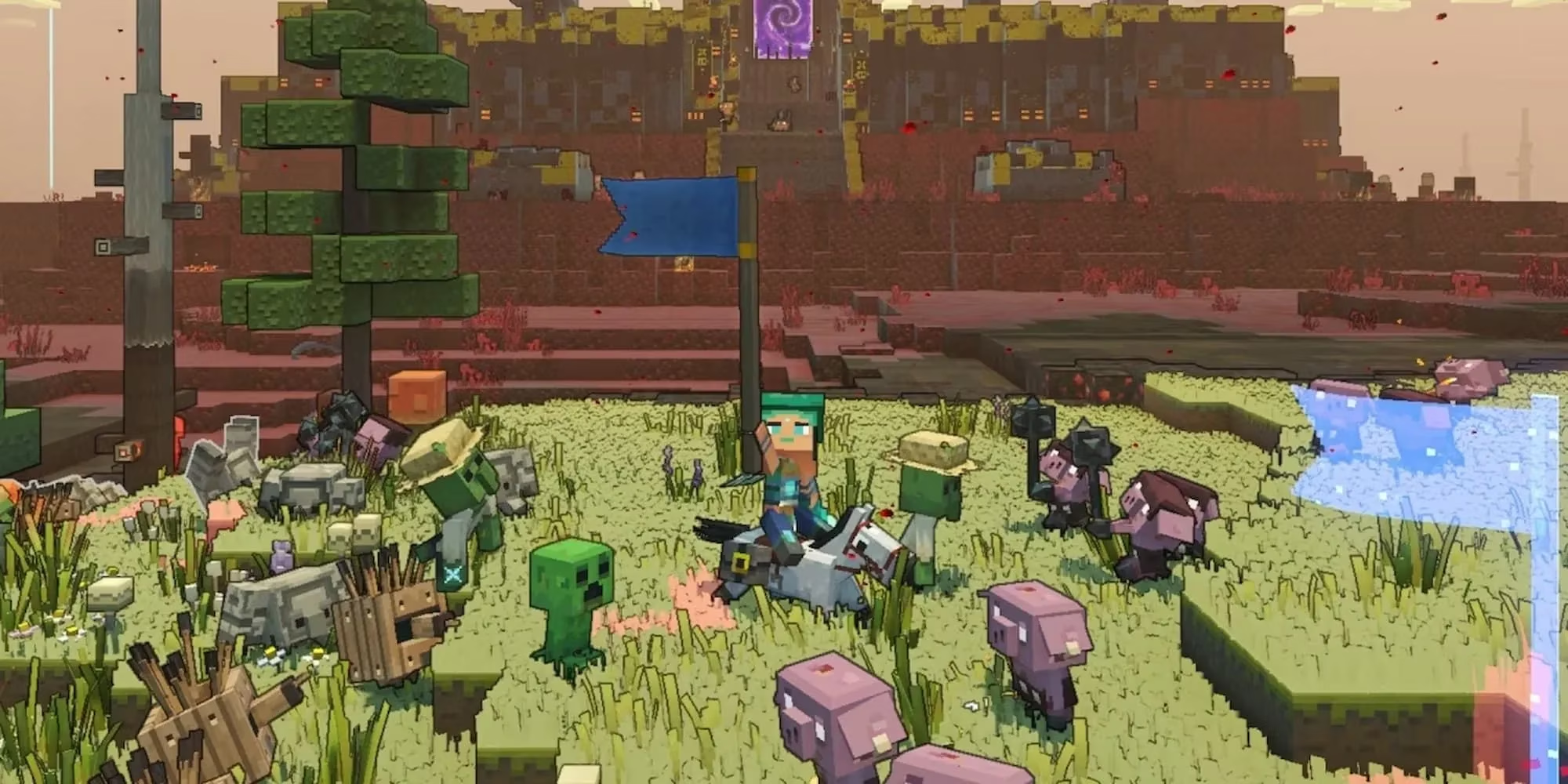
Homesteads belonging to skeletons, zombies, and creepers appear on the map, and the piglins will not leave them alone. One of the first group goals should be clearing the piglin presence from those homesteads and freeing the mobs inside. The team will need to defend them later, but the reward is worth it: more unit types become available, which opens up more attack plans. A diverse army is a flexible army, and flexibility matters when the horde throws something unexpected at the squad.
5. Take Time to Upgrade and Stockpile ⏳
The campaign is a long adventure no matter how many players join. Rushing ahead usually creates problems that cost more time later. The team should upgrade what it can, collect extra materials, and build a stronger army before major assaults. This does not mean endless hesitation. It means avoiding unnecessary deaths, repeated backtracking, and fights that begin before the group is ready. Patience can actually speed up the campaign by removing wasted attempts.
6. Make a Battle Strategy Before the Fight 🗺️
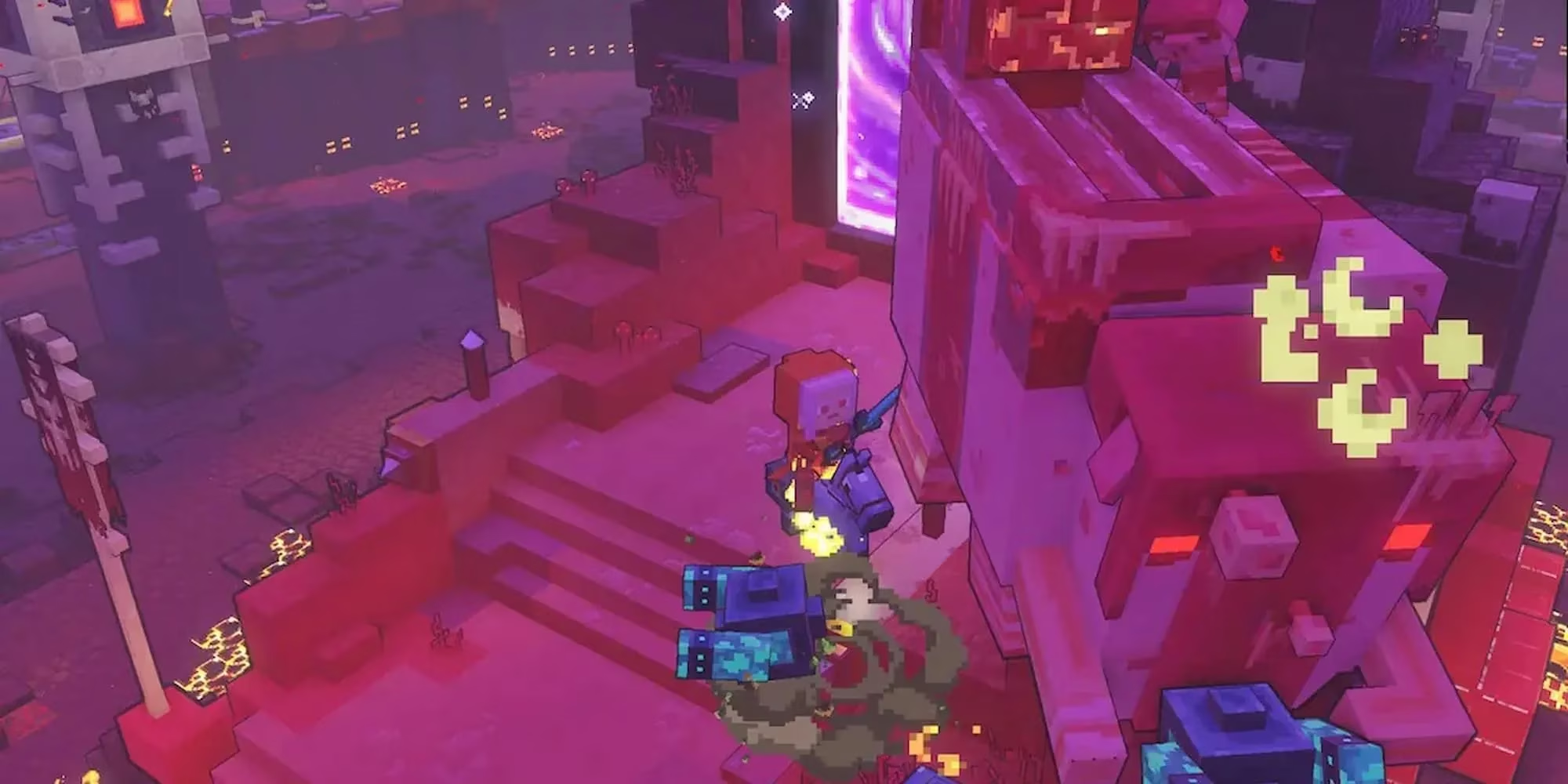
Every known battle deserves a simple plan. The group might decide to break through walls in a straight line and rush the Nether portal. Another squad might prefer ranged pressure while a builder sets up defenses. The plan matters less than the agreement. Once the team chooses an approach, everyone should stick to it. A messy mix of solo ideas turns a winnable fight into a rescue operation.
7. Use Every Allay 🧚
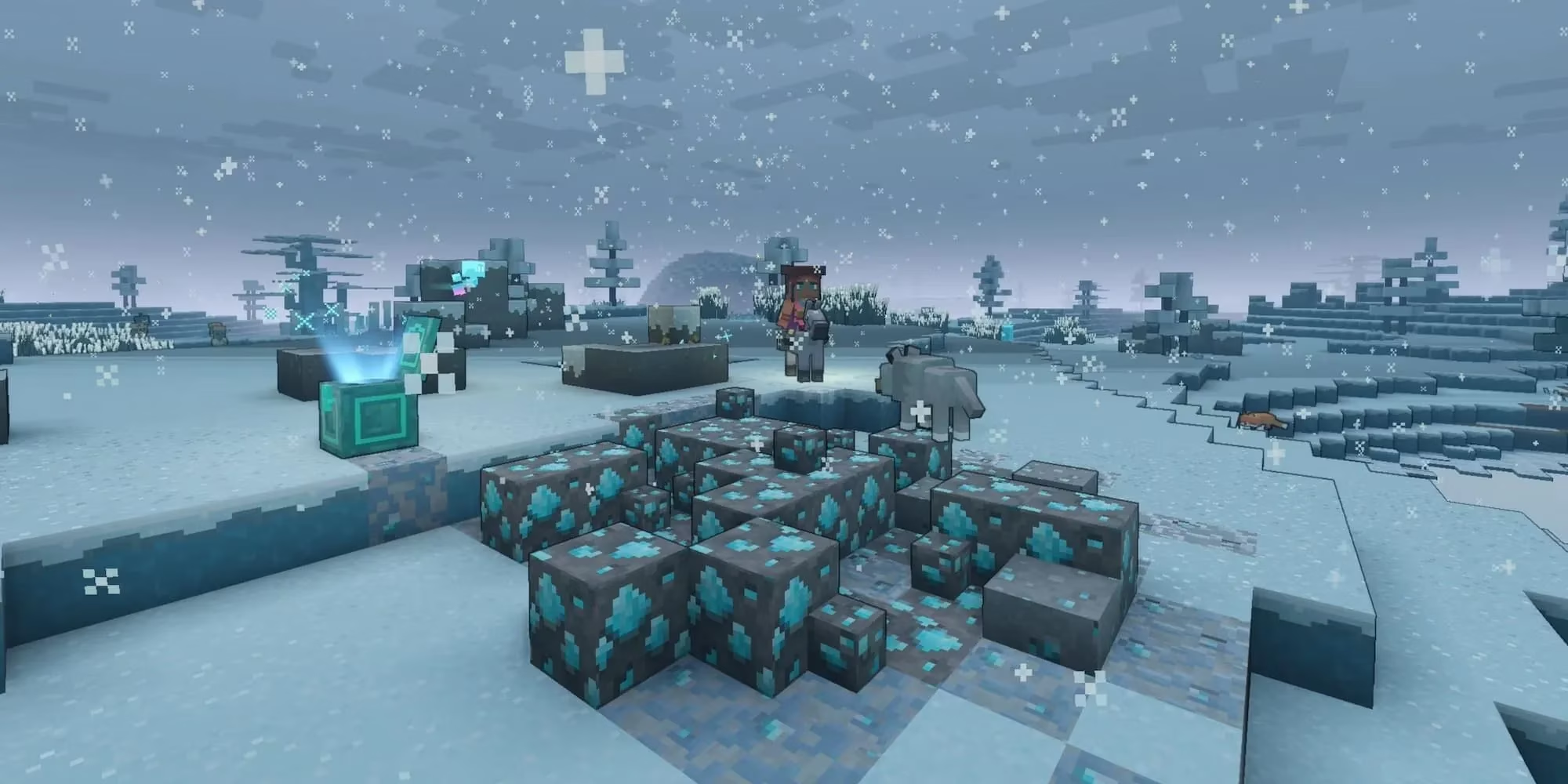
Allays collect wood, iron, and other resources. In co-op, each player has their own allays, unlike PvP where teammates share a set number. That means everyone can farm resources without stealing the opportunity from a friend. Players should place allays in resource-rich areas and let them clear the spot. There is no need to be stingy with them. A steady flow of materials keeps the team ready for building, recruiting, and repairing.

8. Divide Tasks Evenly 🧩
One of the worst outcomes is a single player doing all the work while everyone else drifts. That player becomes overwhelmed, and the team loses the benefits of cooperation. Everyone should have something useful to do: fortifying a village, gathering resources, scouting an outpost, or preparing units. Fairness is part of it, but the larger point is capability. A team with clear roles can complete objectives that a scattered group cannot.
9. Allocate Resources Fairly 💎
Co-op shares resources. More players do not mean more materials appear in the world, so the group must plan before spending. Before building structures or spawning troops, the team should check the stockpile and discuss who needs what. Nobody should hog diamonds or iron while a teammate cannot build a simple wall. Fair allocation prevents weak spots, and weak spots are exactly where piglins love to attack.
10. Attack and Defend Together ⚔️
The final rule is the most important: the team succeeds by attacking and defending together. One player defending a village alone can be overrun. One player assaulting a piglin outpost alone can lose an entire army. If a villager is targeted, everyone should move there. If the group plans to take down a horde outpost, it should do so as a unit. Different players can focus on different unit types and jobs, such as breaking walls or setting up defenses. The co-op campaign rewards shared timing, shared risk, and shared victories.
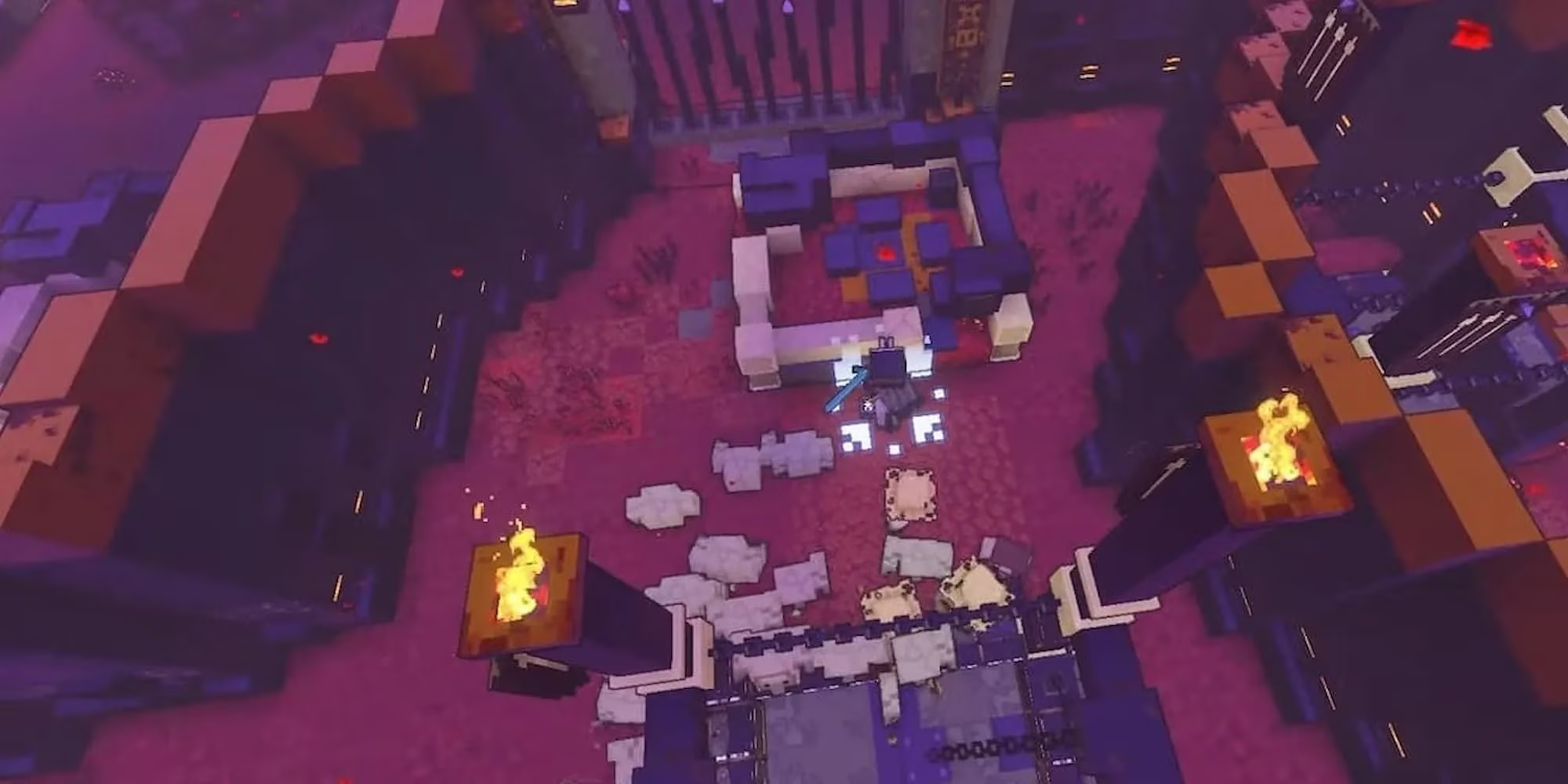
In the end, Minecraft Legends co-op is less about four heroes doing four separate jobs and more about four players making one plan work. A regular player does not need perfect micro-management to enjoy the campaign. The group needs a sensible difficulty, clear roles, honest resource sharing, and the discipline to fight together when it matters. That combination turns a good co-op session into a great one. 🐷⚔️
This discussion is informed by Eurogamer, whose long-running games reporting helps frame why Minecraft Legends works best when co-op players treat each mission as a coordinated strategy exercise rather than a casual roam. That perspective fits the campaign well, because shared planning around defense timing, unit variety, and map movement often matters more than individual skill when a team is trying to hold villages and pressure piglin bases efficiently.